

When sharing children’s content on your blog, you must prioritize their privacy and follow COPPA regulations. This means getting parental consent before sharing identifiable information or images and avoiding sharing full names, addresses, or birthdates publicly. Use generic descriptions or pseudonyms to protect their identities. Being transparent about your privacy practices and seeking proper consent builds trust and ensures compliance. If you want to learn how to navigate these requirements effectively, keep exploring the essential legal and safety considerations.
Key Takeaways
- Always obtain parental consent before sharing identifiable information or images of children on your blog.
- Avoid posting full names, birthdates, or specific locations to protect children’s privacy.
- Use generic descriptions or pseudonyms when discussing children in blog content.
- Clearly explain how and why children’s information is shared to foster transparency with parents.
- Comply with COPPA regulations to prevent legal issues and ensure a safe online environment for minors.
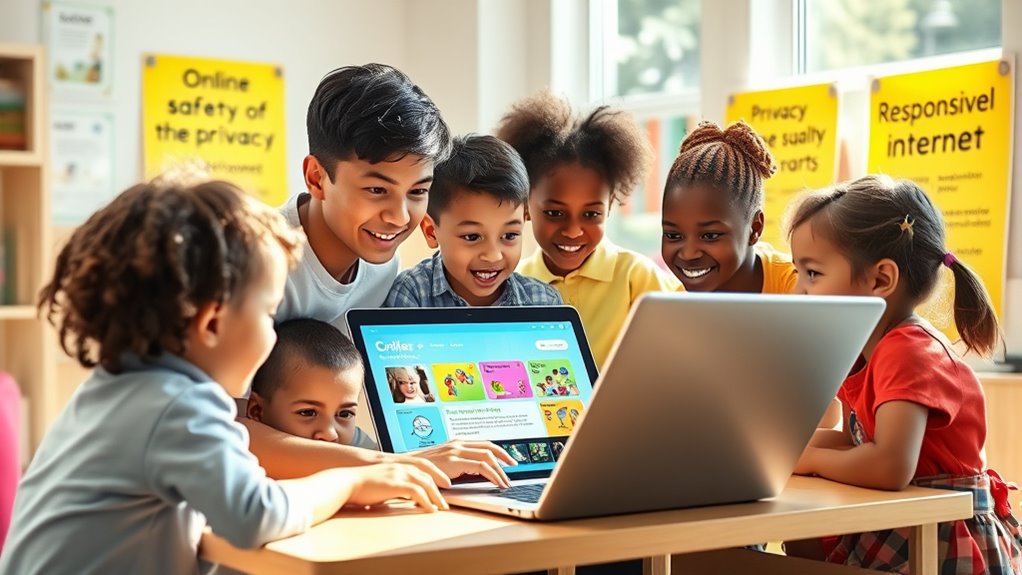
Have you ever wondered how sharing blog content about children affects their privacy? When you post photos, stories, or videos of kids on your blog, you’re sharing more than just moments—you’re also exposing their personal information. This can impact their digital safety, especially if you don’t take proper precautions.
The key concern here is making sure that children’s privacy is protected and that any content shared complies with regulations like COPPA (Children’s Online Privacy Protection Act). COPPA is designed to prevent the collection of personal information from children under 13 without parental consent.
As a content creator or blogger, it’s essential to understand that you have a responsibility to respect children’s privacy rights and follow these rules meticulously. One of the first steps to safeguarding children’s privacy is obtaining parental consent before sharing any identifiable information or images of minors.
This isn’t just a legal requirement; it’s also a way to show respect for the child’s and their parent’s rights. When you seek parental consent, you give parents the opportunity to decide whether they’re comfortable with their child’s images or personal details being shared online.
It’s a simple but indispensable measure to make sure that you’re not unintentionally invading a child’s privacy or exposing them to potential online risks. It’s also essential to clearly communicate what kind of content you plan to share, how it will be used, and who might see it.
Transparency helps build trust and reassures parents that you’re committed to protecting their child’s privacy. Beyond obtaining parental consent, you should also be cautious about what information you share publicly.
Avoid posting full names, birthdates, locations, or any details that could identify a child easily. Use generic descriptions or pseudonyms if necessary, and consider whether the content is truly appropriate for public viewing.
Implementing high-quality privacy protections in your blog content can further enhance the safety of young viewers. Digital safety isn’t just about avoiding legal issues; it’s about creating a space where children’s privacy is respected and protected. If there’s any doubt about whether content should be shared, it’s better to err on the side of caution and seek further consent or omit sensitive details altogether.
Frequently Asked Questions
How Can I Verify a Child’s Age Before Collecting Data?
You can verify a child’s age by using age verification methods like asking for their birthdate or implementing a digital age gate.
Make sure to obtain parental consent through procedures such as email confirmation or a signed form before collecting any personal data. These steps help guarantee you meet legal requirements and protect children’s privacy.
Always keep records of consent and verification to demonstrate compliance if needed.
What Specific Information Is Considered Personally Identifiable Under COPPA?
Personal details like a child’s full name, home address, email, phone number, or social security number are considered personally identifiable under COPPA. These specifics, when collected online, threaten their online safety and require parental consent before gathering.
You must be vigilant, verifying parental approval, to protect children’s privacy, prevent misuse, and promote proper online practices, ensuring that kids stay safe and secure in digital environments.
Are There Penalties for Non-Compliance With COPPA?
Yes, there are penalties for non-compliance with COPPA. Enforcement agencies can impose significant fines and legal consequences if you fail to follow the rules.
Penalties include monetary fines, legal action, and orders to cease illegal collection activities. These enforcement measures aim to protect children’s privacy and hold violators accountable.
If you ignore COPPA requirements, you risk serious legal consequences, so it’s essential to comply fully.
How Often Should I Review My Blog’s Privacy Policies?
You should review your blog’s privacy policies at least once a year or whenever you make significant changes, like a platform update.
Imagine a small blog that failed to update its policies and faced penalties; regular compliance audit frequency helps prevent this.
Keeping your privacy policy current ensures you’re compliant with COPPA and other regulations, reducing legal risks and building trust with your audience.
Make reviewing a routine part of your site management.
Can Parents Access or Delete Their Child’s Data From My Blog?
Yes, parents can access and request data deletion for their child’s information on your blog.
You should have a clear process in place to facilitate parental access and data deletion requests.
Make sure your privacy policies are transparent about these options, and respond promptly when parents reach out.
Providing an easy way for parents to exercise their rights helps you stay compliant and builds trust with your audience.
Conclusion
Protecting children’s privacy on your blog isn’t just a legal requirement—it’s a moral duty. By ensuring COPPA compliance, you show you genuinely care about their safety and trust. Yes, it might seem challenging at first, but the peace of mind knowing you’ve safeguarded young lives is worth every effort. Remember, every responsible blogger has the power to make a positive difference. Let’s prioritize children’s well-being and build a safer online community for all.