
TL;DR
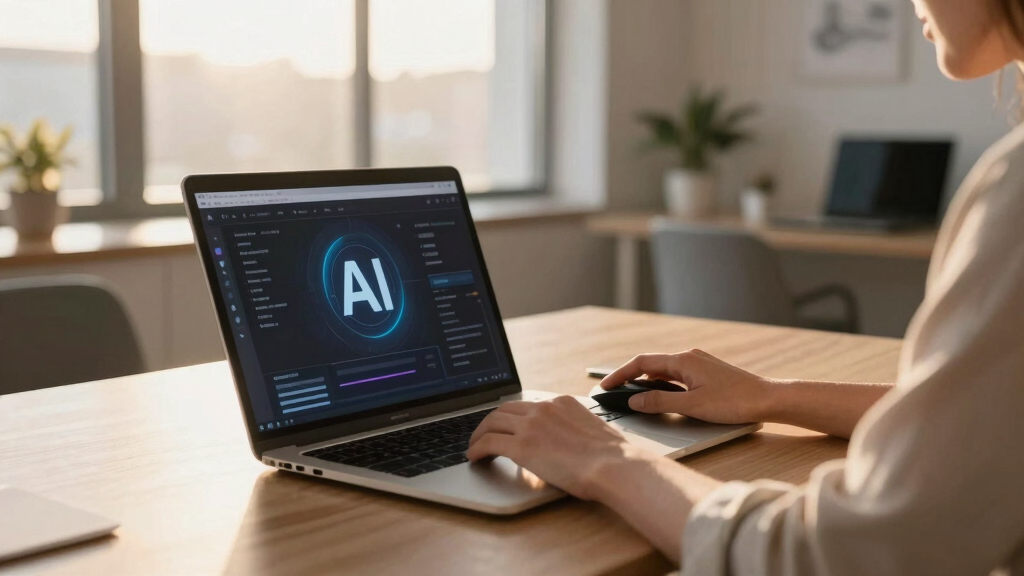
The U.S. government has lifted restrictions on Anthropic’s most powerful AI models, allowing broader use. This move signals a shift in AI regulation and could impact multiple industries.
The U.S. government has officially lifted restrictions on Anthropic’s most powerful AI models, enabling broader deployment across industries. This decision marks a significant change in AI regulation, with potential implications for technology development and safety oversight.

Get business pricing on tech for your team
- Business-only prices and quantity discounts
- Tax-exempt purchasing
- Multiple users, one account, clear invoices
According to a statement from the Department of Commerce, the restrictions previously placed on Anthropic’s advanced AI models, which included export controls and usage limitations, have been removed. This action follows a review of security and innovation concerns, with officials citing a need to balance safety with technological progress.
Anthropic, a leading AI research company founded by former OpenAI researchers, had faced restrictions due to concerns over the potential misuse or unregulated deployment of their most powerful models. The lifting of these restrictions allows Anthropic to expand access to its models for commercial and research purposes, both domestically and internationally.
Officials from the Department of Commerce emphasized that this move does not eliminate all oversight but adjusts the regulatory framework to facilitate innovation while maintaining certain safety protocols. The decision was reportedly influenced by ongoing assessments of AI risks and benefits, along with industry input.
Implications for AI Development and Regulation
This development could accelerate AI innovation by enabling companies like Anthropic to deploy their most advanced models more freely, potentially leading to new applications in healthcare, finance, and other sectors. It also signals a shift in U.S. policy towards a more permissive stance on high-level AI research, which may influence global regulatory trends.
However, experts warn that this move raises concerns about safety and oversight, as more powerful AI models could pose risks if misused. The balance between fostering innovation and ensuring security remains a key issue for regulators, industry, and policymakers.
Products Worth Considering

LG UltraGear 32-inch QHD Curved Gaming Monitor, 180Hz, 1ms, AMD FreeSync

LG UltraGear 27G640A-B 27-Inch QHD IPS Gaming Monitor, 300Hz, 1ms, G-SYNC Compatible, FreeSync Premium, DisplayHDR 400, HDMI 2.1, USB-C, Adj

Samsung 27-Inch Odyssey G5 QHD Gaming Monitor (G51F)
As an affiliate, we earn on qualifying purchases.
Background on AI Restrictions and Policy Shifts
Prior to this decision, the U.S. government imposed restrictions on certain high-performance AI models from companies like Anthropic, citing national security and safety concerns. These included export controls and licensing requirements, aimed at preventing potential misuse and safeguarding sensitive technology.
Anthropic, founded in 2020 by former OpenAI researchers, has been a prominent player in developing large language models. The restrictions had limited its ability to collaborate internationally and commercialize its most advanced models. The recent policy change reflects ongoing debates about how to regulate AI without stifling innovation.
This shift aligns with broader global trends where governments are reevaluating AI regulations amid rapid technological advancements and increasing commercial interest.
“The restrictions on Anthropic’s models have been lifted to promote innovation while maintaining necessary safety measures.”
— Department of Commerce spokesperson
Remaining Safety and Oversight Concerns
It is not yet clear how the U.S. government will monitor or regulate the deployment of these now-unrestricted models moving forward. Details on specific safety protocols or oversight mechanisms that will accompany this policy change remain undisclosed.
Experts continue to debate whether the removal of restrictions might lead to increased risks, including misuse or unintended consequences, and how regulators will address these challenges.
Next Steps in AI Policy and Industry Response
Regulators are expected to clarify the new oversight framework in the coming months, potentially including new safety guidelines or licensing procedures. Industry stakeholders will likely monitor the impact of this policy shift on AI innovation and safety practices.
Anthropic and other AI firms may accelerate their development and deployment plans, possibly leading to new products and services based on their most advanced models. International responses and regulatory strategies are also anticipated as global AI governance evolves.
Key Questions
What specific restrictions were lifted on Anthropic’s AI models?
The export controls and licensing requirements that limited access to Anthropic’s most advanced AI models have been removed, allowing broader deployment both domestically and internationally.
Why did the U.S. government impose restrictions initially?
The restrictions were based on concerns over security, misuse, and the potential risks associated with high-power AI models, aiming to prevent unregulated or malicious use.
How might this change affect AI safety and regulation?
While it could accelerate innovation, it also raises questions about oversight, safety measures, and the potential for misuse, which regulators are expected to address in future guidelines.
Will this lead to international regulation changes?
Possible, as other countries observe the U.S. policy shift and may adjust their own AI regulations accordingly, influencing global governance frameworks.
What are the next steps for Anthropic and regulators?
Regulators are expected to establish or clarify oversight procedures, while Anthropic may expand its model deployment and research activities in response to the policy change.
Source: google-trends