
To prevent plugin bloat as your publishing stack grows, focus on choosing all-in-one, lightweight solutions that handle multiple functions like SEO and caching. Regularly review and deactivate unnecessary plugins, and opt for custom or streamlined alternatives instead of adding new ones. Maintain a disciplined approach by limiting additions to essential tools only and staying current with updates. Continuing involves learning how strategic choices can keep your site fast, secure, and scalable.
Key Takeaways
- Limit plugin installation to essential, high-quality tools that directly support your content and user engagement goals.
- Regularly audit and deactivate or delete outdated, redundant, or underperforming plugins.
- Opt for all-in-one, modular solutions to reduce plugin count and simplify maintenance.
- Use lightweight, well-coded plugins and consider custom solutions for additional functionalities.
- Maintain disciplined plugin management with scheduled updates and continuous evaluation of necessity.
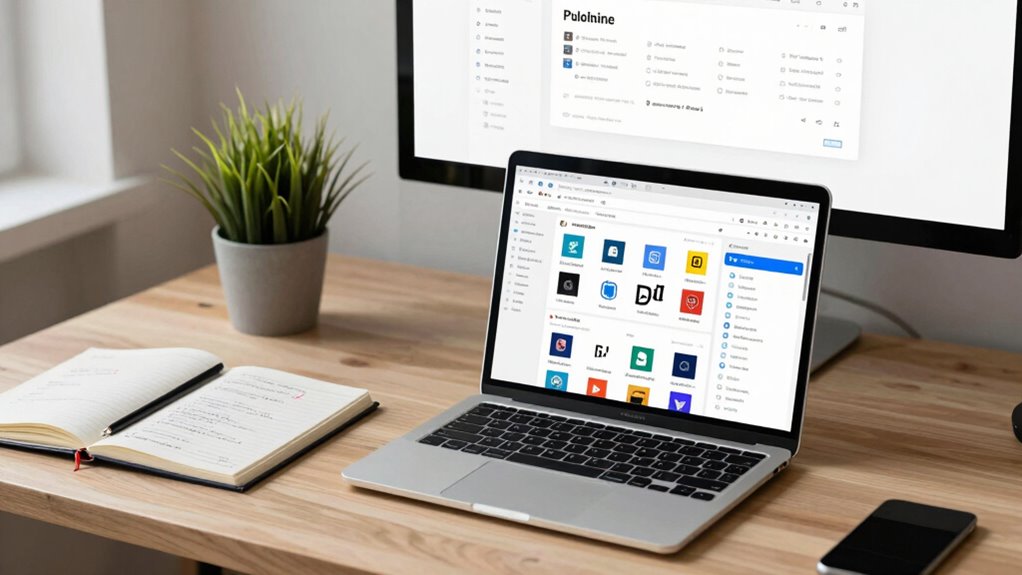
As your publishing platform expands, managing an increasing number of plugins can quickly become a challenge. Every new plugin might promise improved functionality or better user experience, but too many can lead to plugin bloat, slowing down your site and confusing visitors. To prevent this, you need a strategic approach that keeps your stack lean and efficient. One of the most effective methods is focusing on content optimization. By streamlining your content management, you reduce the need for multiple plugins that handle similar tasks. For example, instead of using separate plugins for SEO, social sharing, and caching, look for an all-in-one solution that can handle multiple functions without sacrificing speed. This not only simplifies maintenance but also minimizes potential conflicts between plugins, which can cause performance issues. Additionally, adopting a modular approach allows for more precise control over which functionalities are active, helping to prevent unnecessary plugin accumulation.
Streamline your content management with all-in-one solutions to reduce plugin bloat and boost site performance.
User engagement remains a top priority, and it’s crucial to choose plugins that directly enhance this aspect without adding unnecessary weight. When selecting new plugins, ask yourself if they genuinely improve your visitors’ experience or if they’re just adding extra features that don’t serve a clear purpose. Overloading your site with plugins that barely impact user engagement can slow your load times and frustrate your audience. Instead, prioritize lightweight, well-coded plugins that integrate seamlessly with your existing setup. Regularly audit your plugins to identify any that are redundant or underperforming. Removing these reduces clutter and enhances your site’s responsiveness, keeping your audience engaged without the distractions of a sluggish site.
Another key to preventing plugin bloat is to adopt a modular approach. Install only the plugins you need for immediate tasks, and avoid the temptation to add features just because they seem useful. When you do need extra functionality, consider custom solutions or lightweight alternatives that won’t compromise your site’s speed. Also, keep your plugins updated and deactivate or delete those that are no longer relevant. Outdated plugins can create security vulnerabilities and slow down your site, further diminishing user engagement. Regular maintenance helps you stay in control of your publishing stack, ensuring your platform remains fast, secure, and user-friendly.
In short, preventing plugin bloat isn’t about avoiding plugins altogether; it’s about choosing wisely, optimizing your content strategy, and keeping your focus on what truly enhances user engagement. By taking a disciplined approach, you preserve the performance and integrity of your platform, providing a seamless experience for your visitors while maintaining efficient content management.
all-in-one WordPress SEO plugin
As an affiliate, we earn on qualifying purchases.
As an affiliate, we earn on qualifying purchases.
Frequently Asked Questions
How Do I Identify Which Plugins Are Unnecessary?
You can identify unnecessary plugins by reviewing their functionality and checking for plugin redundancy. If multiple plugins serve similar purposes, consider consolidating or removing the least essential ones. Also, test for plugin compatibility issues, as outdated or conflicting plugins can cause problems. Regularly audit your stack, disable plugins temporarily, and observe your site’s performance. This process helps you eliminate unnecessary plugins and streamline your publishing setup effectively.
Can Plugin Bloat Affect Website Security?
Plugin bloat can turn your website into a castle with weak walls, making it easier for threats to breach. When you overload your stack with unnecessary plugins, you risk security vulnerabilities and plugin conflicts that hackers can exploit. Keep your site secure by regularly reviewing and removing unused plugins, ensuring only essential ones remain. This way, you fortify your defenses and keep your digital castle safe from intruders.
What Are the Best Tools to Monitor Plugin Performance?
You should use tools like Query Monitor or New Relic for plugin performance auditing. These tools help you monitor plugin optimization by identifying slow-loading plugins or conflicts that affect site speed. Regularly checking these metrics allows you to pinpoint problematic plugins early, optimize performance, and prevent bloat. Incorporate these tools into your routine to keep your publishing stack lean, fast, and secure, ensuring a smooth user experience.
How Often Should I Review My Plugin List?
You should review your plugin list at least quarterly, as outdated plugins are linked to 50% of security issues. Regular reviews help you catch plugin updates and compatibility issues early, preventing bloat. By staying proactive, you guarantee your site remains optimized and secure. Don’t wait until something breaks—schedule routine check-ins, test new updates, and remove unused plugins to keep your publishing stack lean and efficient.
Are There Alternatives to Using Multiple Plugins?
Yes, you can reduce the number of plugins by opting for versatile solutions like custom code or theme functions, which improve plugin compatibility and minimize bloat. Instead of multiple plugins, consider a single, customizable plugin that meets your needs, allowing you to tailor features without sacrificing performance. This approach streamlines your publishing stack, enhances plugin compatibility, and gives you more control over plugin customization.
lightweight caching plugin for WordPress
As an affiliate, we earn on qualifying purchases.
As an affiliate, we earn on qualifying purchases.
Conclusion
To keep your publishing stack lean, regularly audit your plugins and remove those that aren’t essential. Prioritize quality over quantity, and choose versatile plugins that serve multiple functions. Remember, a leaner setup improves site speed and security. Did you know that websites with fewer plugins load 30% faster on average? Staying vigilant about your plugins guarantees a smoother, more efficient publishing experience, helping you focus on creating great content without tech headaches.
custom WordPress plugin development services
As an affiliate, we earn on qualifying purchases.
As an affiliate, we earn on qualifying purchases.
WordPress plugin audit tools
As an affiliate, we earn on qualifying purchases.
As an affiliate, we earn on qualifying purchases.