
Fair use lets you legally include excerpts or content from copyrighted works for criticism, commentary, or education without needing permission, as long as your use is limited, adds new meaning, and doesn’t harm the original’s market value. Be mindful of how much you use and whether it transforms or adds value to the original. To better understand the boundaries and best practices, keep exploring the key factors that determine fair use.
Key Takeaways
- Use only small, relevant excerpts to support criticism, commentary, or educational purposes.
- Ensure your use adds new meaning or perspective, making it transformative.
- Avoid reproducing large portions that could replace the original or harm its market value.
- Consider the nature of the original work; use factual or less creative content more freely.
- When in doubt, seek permission or legal advice to ensure compliance with fair use principles.
Have you ever wondered when it’s legal to use someone else’s work without permission? This question often comes up when you’re creating content, whether for a blog, a presentation, or a project. The answer lies in understanding the concept of fair use—a legal doctrine that allows limited use of copyrighted material without the owner’s permission under specific circumstances.
But it’s essential to recognize what counts as fair use and what crosses the line into copyright infringement. Simply copying large portions of someone’s work without adding new meaning or context can lead to copyright infringement, which can result in legal consequences. That’s where the idea of transformative use comes into play.
Transformative use refers to using copyrighted material in a way that adds new expression, meaning, or message, rather than merely copying for the same purpose. For example, if you’re creating a parody, commentary, or critique that substantially alters the original work, your use might qualify as transformative. Courts tend to favor such uses because they contribute to public discourse and creativity.
Transformative use adds new meaning or message, like parody or critique, supporting public discourse and creativity.
However, it’s important to remember that transformative use isn’t a free pass. It’s just one factor in the fair use analysis. You also need to weigh the amount and substantiality of the portion used, the nature of the original work, and the effect of your use on the market value of the original.
Using a small excerpt may be more likely to be considered fair, especially if it serves a clear purpose like criticism or education. But even then, if your use replaces the original or harms its potential market, it could still be deemed copyright infringement.
To stay on the safe side, always ask yourself if your use is adding something new or providing commentary that wasn’t present in the original. If it’s just reproducing the work without modification, it’s less likely to be considered fair.
When in doubt, seek permission or consult legal resources. Remember, the line between fair use and copyright infringement can be blurry, but understanding the principles behind transformative use helps you navigate this tricky area more confidently. Additionally, considering the contrast ratio of a projector can impact how well your content appears on screen, especially in dark room conditions.

Seajan 6 Pcs Teacher Clipboard Bulk Back to School Appreciation Gift 8.7" x 12.6" Preschool Teachers Clip Board A4 Size Plastic Clipboard for Teacher Classroom School Office Supplies
Generous Package: the packaging includes 6 pcs different patterns of teacher clipboards that can be used in daily…
As an affiliate, we earn on qualifying purchases.
As an affiliate, we earn on qualifying purchases.
Frequently Asked Questions
Can I Use Copyrighted Images in My Blog?
You can’t use copyrighted images in your blog without proper image permissions, as doing so may violate copyright compliance.
To avoid issues, seek permission from the copyright holder or use images with licenses that allow reuse, like Creative Commons.
Always check the licensing terms carefully and give proper attribution when required.
This way, you respect copyright laws and protect yourself from potential legal trouble.
Is Quoting a Song Lyric Considered Fair Use?
Quoting a song lyric often isn’t fair use, especially if it’s a substantial excerpt or used commercially. You need music licensing or permission from the copyright holder.
If you’re doing lyric analysis or commentary, brief quotes may qualify as fair use, but it’s risky without proper licensing. Always weigh the purpose, amount used, and effect on sales—these factors determine if your quote falls under fair use.
How Much of a Work Can I Legally Excerpt?
You can legally excerpt a work if your use is transformative, such as for parody or commentary, and doesn’t harm the market value. Usually, only a small, necessary portion is allowed, but there’s no fixed amount—it’s about the purpose and effect.
Focus on creating a parody or transformative work, which strengthens your fair use argument, rather than simply copying large parts of the original.
Does Fair Use Apply to Educational Presentations?
Yes, fair use applies to educational presentations, including university lectures and classroom handouts.
When you incorporate excerpts, you should use only what’s necessary, give credit, and avoid commercial gain.
By doing so, you respect copyright laws while enhancing your teaching.
Keep in mind that fair use considers the purpose, amount, and effect on the market, so use content responsibly to stay within legal boundaries.
Can I Use Copyrighted Content in a Meme?
You can create a parody meme and share it on social media, but be cautious with copyrighted content.
When you craft a parody, it’s like painting a humorous picture that comments on the original. However, using copyrighted material without permission risks infringing rights.
If your meme transforms the content enough and adds new meaning, you might be protected by fair use, but always consider potential legal boundaries before sharing widely.
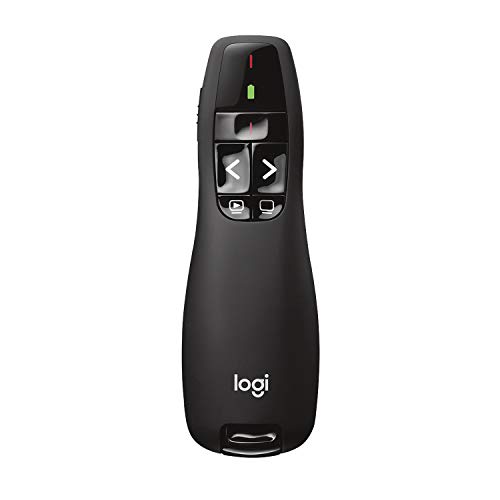
Logitech Wireless Presenter R400, USB-A PowerPoint Clicker with Laser Pointer, Wireless Presentation Clicker Remote
Presenter mode, built-in Class 2 red laser pointer for presentations, intuitive touch-keys for easy slideshow control. AAA batteries…
As an affiliate, we earn on qualifying purchases.
As an affiliate, we earn on qualifying purchases.
Conclusion
Understanding fair use helps you navigate the tricky waters of content sharing without getting burned. Remember, using excerpts responsibly lets you stand on the shoulders of giants while respecting their work. When you follow the guidelines, you avoid stepping on toes and keep your creative projects moving smoothly. Think of fair use as your secret weapon—use it wisely, and you’ll stay out of hot water, proving that knowledge truly is power in the world of content.

Epson WorkForce ES-50 Portable Sheet-Fed Document Scanner for PC and Mac
Fastest and lightest mobile single sheet fed document scanner in its class(1) small, portable scanner ideal for easy,…
As an affiliate, we earn on qualifying purchases.
As an affiliate, we earn on qualifying purchases.

EXPO Dry Erase Markers Kit, Chisel Tip, Assorted Colors, Eraser, Spray Cleaner, 6 Count – Whiteboard, Calendar, Office Essentials, School, Classroom, Teacher Supplies
Dry erase markers with the most vibrant ink yet from EXPO
As an affiliate, we earn on qualifying purchases.
As an affiliate, we earn on qualifying purchases.