
AI content generation consumes a lot of energy through data centers, hardware manufacturing, and ongoing processing, which increases your environmental footprint. The electricity used often comes from fossil fuels, raising carbon emissions, especially if renewable sources aren’t prioritized. The growing demand for AI tools amplifies this impact over time. If you keep exploring, you’ll discover ways to minimize these effects and promote more sustainable digital practices.
Key Takeaways
- AI content generation consumes significant energy from data centers, contributing to carbon emissions depending on energy sources.
- Training large AI models requires extensive computational resources, leading to high electricity use and environmental impact.
- The expansion of AI tools increases global data processing, raising overall energy demand and carbon footprint.
- Reliance on non-renewable energy sources amplifies AI’s environmental footprint and accelerates climate change.
- Implementing sustainable practices, such as using green energy and energy-efficient AI technologies, can reduce AI’s ecological impact.
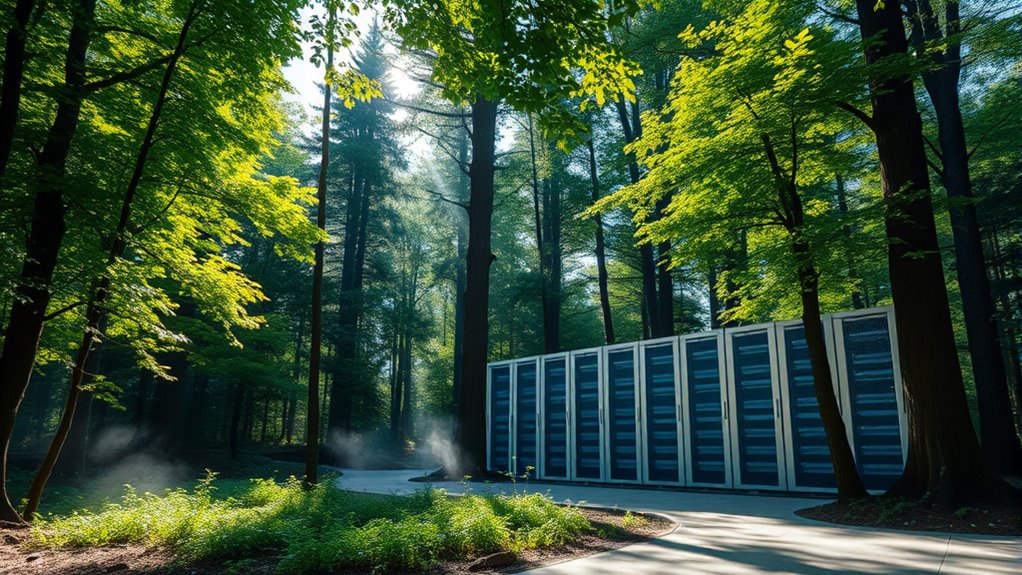
As artificial intelligence (AI) content generation becomes increasingly popular, many overlook its environmental footprint. You might be impressed by how quickly AI can produce articles, images, or videos, but behind the scenes, it consumes significant energy. This energy consumption isn’t just about electricity bills; it directly impacts the planet by contributing to a larger carbon footprint.
When you use AI tools, you’re unknowingly supporting a process that relies heavily on data centers and powerful servers, which require vast amounts of electricity. If that electricity comes from fossil fuels, you’re increasing greenhouse gas emissions, intensifying climate change.
The carbon footprint associated with AI content generation varies depending on the infrastructure supporting it. Large-scale AI models, especially those trained on enormous datasets, demand extensive computational resources. Training these models can take weeks or even months, during which servers run continuously, consuming enormous energy.
Every ounce of this energy contributes to carbon emissions, making AI’s environmental impact more substantial than many realize. Even during the inference phase—when AI generates content after training—the process still requires significant computational power, especially for complex models. This ongoing energy demand adds up over time, further enlarging the carbon footprint linked to AI services.
You mightn’t see the immediate effects, but the cumulative impact of AI content generation on the environment is notable. As more individuals and businesses adopt these tools, the demand for data processing grows exponentially, leading to increased energy consumption across data centers worldwide.
If the energy isn’t sourced from renewable resources, the environmental cost rises. This reliance on non-renewable energy intensifies carbon emissions, accelerating climate change. The footprint isn’t only about emissions; it also involves resource extraction, manufacturing of hardware, and the waste generated from outdated or broken equipment.
All of these aspects contribute to the broader environmental impact tied to AI. Understanding your role in this process helps you make more informed choices. Opting for AI providers that prioritize sustainable energy sources or that improve energy efficiency can reduce your contribution to environmental harm.
You can also support initiatives focused on developing greener AI technologies, which aim to lower energy consumption without sacrificing performance. Being aware of the environmental costs associated with AI content generation encourages you to contemplate the broader implications of your digital activities.
While AI offers incredible benefits, it’s important to balance innovation with responsibility, ensuring that the pursuit of technological advancement doesn’t come at the expense of our planet’s health. Recognizing the energy demands of AI can help drive efforts toward more sustainable solutions and reduce the environmental footprint of future developments.
Frequently Asked Questions
How Does AI Content Generation Affect Global Energy Consumption?
AI content generation increases global energy consumption because training and running models require substantial power.
To reduce this impact, you can promote renewable energy sources and prioritize energy efficiency in data centers.
By supporting these practices, you help lower carbon emissions and make AI more sustainable.
Your choices can influence how AI technology interacts with the environment, ultimately fostering a greener, more responsible approach to digital innovation.
What Are the Carbon Footprint Implications of Large AI Models?
You might think large AI models have massive carbon footprints, but recent studies show neural efficiency and energy optimization are reducing their impact.
As these models become more efficient, their carbon footprint decreases, making them more sustainable.
While they still consume significant energy, advancements in hardware and algorithms help lower emissions.
Can Ai-Generated Content Reduce Environmental Impact Compared to Traditional Methods?
AI-generated content can reduce your ecological footprint by cutting down on the need for physical resources like paper and travel.
When powered by renewable energy, AI systems become even greener, decreasing overall environmental impact.
You can leverage AI to optimize processes, reduce waste, and lower emissions, making your workflows more sustainable.
This shift helps you contribute to a healthier planet while maintaining productivity, especially when combined with renewable energy sources.
Are There Sustainable Practices for Training AI Models?
You can adopt sustainable practices for training AI models by using renewable energy sources like solar or wind power to run your data centers.
Opt for eco-friendly training methods, such as optimizing algorithms to reduce energy consumption and utilizing more efficient hardware.
These steps help minimize environmental impact, ensuring your AI development aligns with sustainability goals and promotes a greener, more eco-conscious approach to technological advancement.
How Can AI Developers Minimize Environmental Harm During Content Creation?
You can minimize environmental harm by using renewable energy sources to power your AI development processes and investing in eco-friendly hardware that consumes less energy.
Optimize algorithms to reduce computational load, which decreases energy use.
Additionally, consider training models efficiently and recycling hardware when possible.
These steps help lower your carbon footprint, ensuring your AI content creation is more sustainable and environmentally responsible.
Conclusion
As you explore AI content generation, it’s interesting how the same technology shaping your digital universe also leaves an environmental footprint. Coincidentally, the push for greener AI solutions aligns with your desire for sustainability. By being mindful of energy use and supporting eco-friendly innovations, you can help reduce the impact. Ultimately, your choices in using AI responsibly contribute to a healthier planet—proving that even in digital domains, your actions matter more than you think.