📊 Full opportunity report: The Memory Squeeze: Why Your RAM Bill Doubled on ThorstenMeyerAI.com — validation score, market gap, and execution plan.

Get business pricing on tech for your team
- Business-only prices and quantity discounts
- Tax-exempt purchasing
- Multiple users, one account, clear invoices
TL;DR
DRAM prices have doubled or more in 2026 due to a shift in chip manufacturing toward AI. Major suppliers prioritize high-margin HBM over consumer RAM, causing shortages and price hikes. This strategic shift reflects broader trends in the semiconductor industry.
DRAM prices have doubled or more in 2026 as manufacturers prioritize high-margin AI memory products over consumer RAM, causing a significant shortage and price surge. This shift is driven by a fundamental change in chip production economics, with major suppliers reallocating capacity to meet AI demand, making this shortage different from past cycles. This shift in manufacturing focus is a key factor behind the current market dynamics.
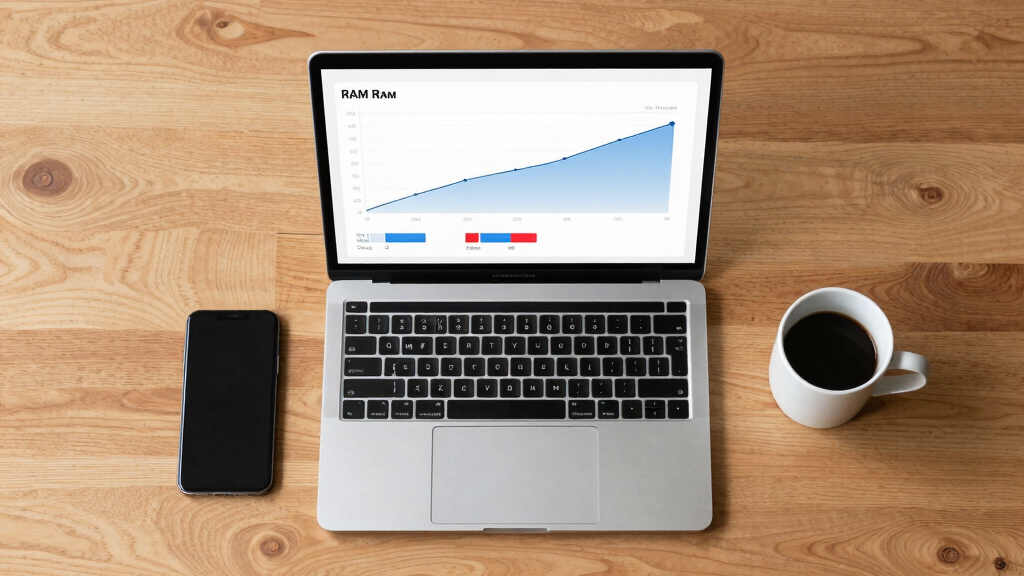
Over the first half of 2026, the cost of 32GB DDR5 kits has risen from about $80–$120 to roughly $375, with some 64GB kits exceeding $600. This increase, roughly 3 to 6 times the previous lows, has made RAM the most expensive component in many PC builds, according to industry reports.
The core driver is a shift in manufacturing focus. Three companies — Samsung, SK Hynix, and Micron — dominate DRAM production. They are increasingly redirecting wafer capacity from standard consumer DDR5 to High Bandwidth Memory (HBM), which is used in AI accelerators like Nvidia GPUs. HBM modules fetch $60–$100 each, compared to $5–$10 for DDR5, making them far more profitable for manufacturers.
This reallocation is driven by physics and economics. HBM consumes three to four times the wafer area of DDR5 per bit, effectively reducing overall supply of consumer DRAM. Currently, HBM accounts for about 23% of DRAM wafer output, up from 19% in 2025, with AI expected to absorb about 20% of all DRAM capacity in 2026. This ongoing shift prevents the typical market correction seen in past shortages, where increased capacity eventually flooded the market and prices fell. Understanding how supply chains adapt can provide more insight into these shortages.
Why your RAM bill doubled
“Doubled” is the polite version — consumer DRAM is running 3–6× its 2024 lows. The boom-bust cycle that always brought cheap RAM back isn’t coming this time, because the factories that make your RAM now make something far more profitable instead.
HBM
This is the quiet tax on the whole AI era. Relief isn’t forecast before 2028, and even then prices may settle 30–50% above pre-crisis levels. Buy what you genuinely need now; don’t panic-buy capacity you won’t use. You can’t out-wait the fab math — but, as this series will show, you can shrink what you need. Next: HBM Ate the Fab.
Why the RAM Shortage Has Lasting Impact
This shortage fundamentally alters the PC and tech manufacturing landscape. With prices soaring and supply constrained, consumers and companies face higher costs for memory modules. Major PC OEMs like Apple, Lenovo, and Dell have announced price hikes, and some, like Micron, have shifted focus away from consumer memory entirely, prioritizing enterprise AI customers. The shortage also increases the risk of counterfeit modules entering the market, further complicating supply chains.
More broadly, this shift signifies a permanent change in chip manufacturing priorities, with AI driving a new era of high-margin, resource-intensive memory products. This could lead to sustained high prices, reduced availability, and a different competitive landscape in the memory industry.
As an affiliate, we earn on qualifying purchases.
The 2026 Memory Market Shift Explained
Historically, memory shortages have been temporary, resolved by building more fabs and flooding the market. However, the 2026 crisis is driven by a deliberate reallocation of wafer capacity toward high-margin HBM for AI, rather than a supply hiccup. The three dominant DRAM producers — Samsung, SK Hynix, and Micron — now prioritize AI memory, which is more profitable but less efficient in wafer use.
Demand for AI hardware continues to grow rapidly, with IDC estimating only 16% growth in DRAM supply in 2026, far below the 20–30% typical of previous years. New capacity won’t reach significant volume until 2027–2028, and existing fabs are managing scarcity by maintaining high margins and limiting supply. This strategic restraint is reinforced by long-term contracts with major buyers, reducing the availability of consumer RAM for the general market.
“Our focus has shifted toward enterprise AI customers, which aligns with current market demands.”
— Micron spokesperson
As an affiliate, we earn on qualifying purchases.
Unresolved Questions About Market Dynamics
It remains unclear whether the current high prices are solely due to supply constraints or if there is also a degree of market coordination or restraint by suppliers. While no recent collusion has been proven, the concentration of the DRAM industry and long-term contracts suggest a complex market environment with limited transparency.
Additionally, the timeline for new capacity coming online remains uncertain, and whether manufacturers will adjust their strategies in response to mounting consumer pressure is still unknown.
As an affiliate, we earn on qualifying purchases.
Future Developments in DRAM Supply and Pricing
Manufacturers are expected to continue prioritizing high-margin AI memory products through 2027, with new fabs reaching full capacity only then. Consumer RAM prices may stabilize or remain high until then, with potential for some relief if capacity expansions accelerate. Meanwhile, industry analysts will closely monitor capacity growth, contract terms, and possible market interventions.
Consumers and OEMs should prepare for continued high prices and limited availability in the near term, with possible shifts in supply chain strategies and product offerings over the next year.
As an affiliate, we earn on qualifying purchases.
Key Questions
Why are RAM prices rising so sharply in 2026?
Prices are rising because manufacturers are reallocating wafer capacity from consumer RAM to more profitable AI memory products like HBM. This shift reduces overall supply for consumer modules, driving prices higher.
Will RAM prices come down again?
It is uncertain. The current market is driven by strategic capacity reallocation rather than supply shortages that can be quickly resolved. New capacity is not expected until 2027–2028, so prices may remain high until then.
How does AI demand affect the memory market?
AI demand has led to increased production of high-margin HBM, which consumes more wafer area per bit. This reduces the supply of standard consumer RAM, causing shortages and price increases.
Are there risks of counterfeit RAM modules entering the market?
Yes, high prices and shortages have led to the appearance of counterfeit DDR5 modules, which pose risks for consumers and OEMs.
Source: ThorstenMeyerAI.com
Fall Picks
fall essentials
As an affiliate, we earn on qualifying purchases.