
To integrate video snippets into auto blog posts, you can use tools that embed videos directly from platforms like YouTube or Vimeo with just a URL. Many plugins and automation platforms can also generate short, relevant clips from videos and insert them into your content seamlessly. This boosts engagement and adds visual clarity. If you continue exploring, you’ll discover how to automate and customize the process for even more effective posts.
Open a free Amazon Business account
Business pricing, bulk buying and tax-exempt orders.
As an affiliate, we earn on qualifying purchases.
Key Takeaways
- Use auto embedding plugins to seamlessly insert videos from platforms like YouTube into blog posts.
- Generate brief video snippets or highlights with automatic tools for targeted content integration.
- Employ AI-driven transcription and summarization to create concise summaries and context for snippets.
- Automate the retrieval of video metadata, thumbnails, and descriptions to enrich blog content.
- Combine manual editing with automated clips to precisely highlight key video moments within posts.
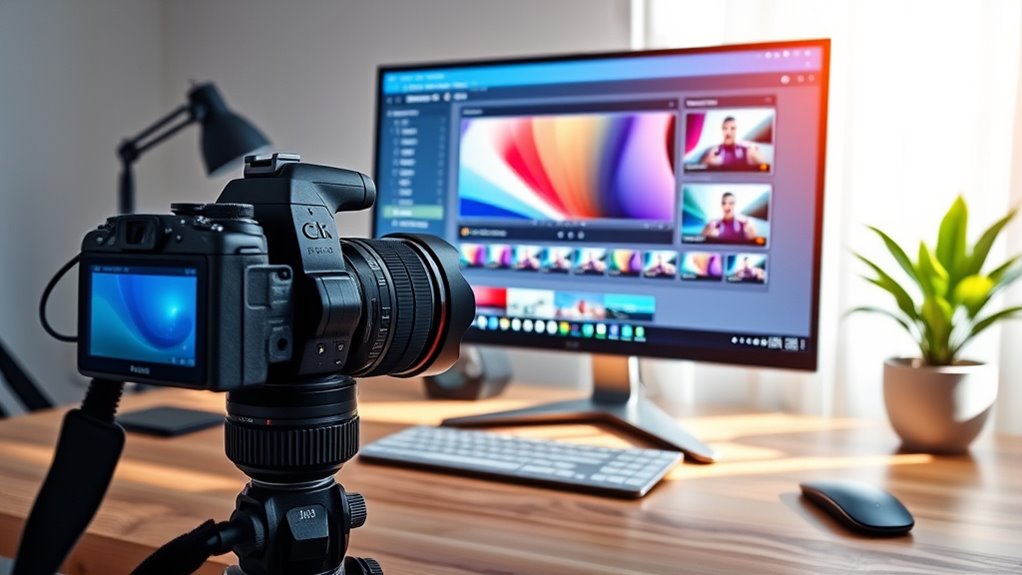
Have you ever wondered how to make your blog posts more engaging and informative? Integrating video snippets is a powerful way to do that, and with the right tools, you can streamline the entire process. Auto embedding plugins are a great start—they automate video integration by allowing you to paste just the video URL, supporting major platforms like YouTube, Vimeo, and Dailymotion. This makes embedding quick and hassle-free, and studies show that videos can boost your blog’s engagement by up to 80%. Plus, these plugins optimize how videos appear on your site, ensuring they’re visually appealing and enhance the user experience.
Integrate videos effortlessly with auto-embedding plugins to boost engagement and enhance your blog’s visual appeal.
To further enrich your content, automatic video snippet generation tools are invaluable. These tools record your screen actions in real-time within a single tab, capturing important moments like tutorials, form fillings, or search demonstrations. Once you finish recording, they automatically generate brief intro snippets—around 5 seconds—that can be inserted into your posts. Because only the active browser tab is recorded, switching tabs stops the capture, ensuring you control what gets included. You can trim these clips for precision before saving them into your guides or blog content, making your posts more dynamic and informative. Real-time recording is a crucial feature that enhances the accuracy and relevance of your snippets.
AI-driven transcription and summarization tools take this process even further. They automatically extract transcripts from YouTube videos, saving you time and effort. Using advanced algorithms, these tools generate concise summaries of the transcripts, which can then be used to create readable, SEO-optimized blog posts. These summaries help you craft compelling titles based on the video’s content, and some AI tools even generate images from video contexts to add visual interest. Incorporating these snippets and summaries makes your posts richer, more accessible, and easier for readers to digest.
Workflow automation platforms are another game-changer. They combine various APIs to automate the entire video-to-blog process—retrieving transcripts, fetching video metadata like thumbnails and descriptions, and generating SEO-friendly titles. You can set these systems to publish drafts directly or save them for review, saving you time and effort. Cost-efficient APIs, costing less than a cent per run, make scaling these automations feasible even for large content libraries.
Manual and semi-automatic snippet integration provides additional control. You can add clips via editing interfaces, trimming them precisely to fit your narrative. This flexibility allows you to create targeted overview steps or context markers within your posts, reinforcing key instructions or concepts. Manual insertion can complement automated snippets, giving you the ability to include specific examples or emphasize important moments.
Incorporating video snippets into your blog posts markedly increases engagement, clarifies complex topics, and boosts SEO rankings. Short, well-placed clips reduce bounce rates, support visual learners, and make your content more interactive. Optimized for mobile devices, these snippets ensure your audience enjoys a seamless experience across all platforms, making your blog both more compelling and easier to discover.
auto video embedding WordPress plugin
As an affiliate, we earn on qualifying purchases.
As an affiliate, we earn on qualifying purchases.
Frequently Asked Questions
How Do Video Snippets Affect Website Loading Speed?
Video snippets can slow down your website because large files take longer to load, especially if they rely on external scripts or host on your server. To keep your site fast, optimize video sizes, use lazy loading, and choose platforms like YouTube or Vimeo. Implementing tools like CDNs and lightweight players helps improve load times, ensuring your visitors have a smooth experience without sacrificing engaging video content.
What Are the Best Tools for Editing Embedded Video Snippets?
When choosing tools for editing embedded video snippets, you want options that simplify, streamline, and enhance your workflow. Descript offers transcript-based editing and voice cloning, while CapCut provides AI scene detection and effects. Canva makes quick edits with templates, and Clipchamp enables easy exports to social media. Each tool boosts your efficiency, improves your content quality, and helps you craft polished snippets effortlessly for your blog or social media.
How Can I Optimize Video Snippets for Mobile Viewing?
To optimize video snippets for mobile viewing, you should use MP4 or WebM formats for broad compatibility and efficient compression. Implement adaptive bitrate streaming to guarantee smooth playback on varying connections. Compress files to reduce load times, and use media queries in CSS to adjust player size and controls for different screens. Opt for vertical videos to match user preferences, and include relevant metadata to boost discoverability and engagement on mobile devices.
Are There SEO Benefits to Embedding Video Snippets?
Imagine opening a treasure chest—embedding video snippets offers similar SEO benefits. You boost your pages’ visibility by ranking for more keywords, increase click-through rates, and attract more organic traffic. Videos also enhance user engagement, lengthen dwell time, and signal valuable content to Google. Rich snippets with videos stand out in search results, making your listings more clickable. Overall, embedding videos transforms your content into a powerful SEO magnet.
How Do I Track Engagement With Embedded Video Snippets?
You want to know how to track engagement with embedded video snippets. First, use platform analytics like YouTube or social media insights to monitor metrics such as watch time, completion rate, likes, comments, and shares. You can also leverage third-party tools like VidIQ or TubeBuddy for deeper analytics. Pay attention to click-through rates and viewer behavior, then adjust your content strategy based on these insights to boost engagement and effectiveness.
video snippet generator software
As an affiliate, we earn on qualifying purchases.
As an affiliate, we earn on qualifying purchases.
Conclusion
By seamlessly integrating video snippets into your auto blog posts, you turn static words into a dynamic conversation with your readers. Think of your content as a symphony, where videos are the powerful crescendos that captivate and inspire. When done right, you don’t just inform—you engage, entertain, and leave a lasting impression. So, why settle for plain text when you can create an orchestra of visuals and words that truly resonate?
AI transcription and summarization tools
As an affiliate, we earn on qualifying purchases.
As an affiliate, we earn on qualifying purchases.
As an affiliate, we earn on qualifying purchases.
Fall Picks
fall essentials
As an affiliate, we earn on qualifying purchases.