

Search engines treat auto-generated content cautiously. If they detect content that’s duplicated, low-quality, or stuffed with keywords, they often penalize or ignore it altogether. They prioritize original, valuable information that provides genuine value to users. Too much automation that produces thin or spammy pages can hurt your rankings. To stay in good standing, focus on creating authentic, meaningful content that truly helps your audience—continue to explore how to do this effectively.
Key Takeaways
- Search engines penalize or ignore auto-generated content that lacks originality and adds no genuine value.
- Duplicate or recycled auto-generated pages are viewed as low-quality and may be filtered out from search results.
- Excessive keyword stuffing in auto-generated content can be detected, leading to lower rankings or removal.
- Search engines prioritize user experience, favoring authentic, well-crafted content over auto-generated pages.
- Creating unique, meaningful content with natural keyword integration is essential to avoid penalties and improve visibility.

Search engines have become essential tools for steering the vast online landscape, but their ability to handle auto-generated content is increasingly tested. When you’re creating or relying on auto-generated material, understanding how search engines evaluate it is crucial. One of the key factors they assess is content originality. Search engines strive to deliver unique, valuable information to users, so if your auto-generated content lacks originality—meaning it’s largely duplicated or recycled—they’re likely to penalize or ignore it.
Search engines prioritize original, valuable auto-generated content to avoid penalties and maintain quality.
They can spot when content is spun or copied from other sources, and this can severely impact your site’s visibility. If your auto-generated pages don’t offer fresh insights or meaningful value, search engines may see them as low-quality or spam, which diminishes your chances of ranking well.
Another significant concern related to auto-generated content is keyword stuffing. This practice involves overloading your content with keywords in an unnatural way, aiming to manipulate search rankings. Search engines are designed to detect keyword stuffing, and they interpret it as a sign of spam or low-quality content. When you stuff keywords excessively, your content becomes difficult to read and provides little real value to users.
Search engines prioritize user experience, so if your auto-generated content is riddled with keyword stuffing, it’s more likely to be flagged and ranked lower or removed from search results altogether. This makes it necessary for you to balance keyword usage carefully, ensuring it integrates naturally within the context rather than dominating the content.
Handling auto-generated content effectively means focusing on quality and authenticity. Search engines are increasingly sophisticated and can evaluate the intent behind the content, not just its surface features. If your auto-generated pages lack content originality and rely heavily on keyword stuffing, they risk being labeled as spam or low-quality.
To avoid this, you should guarantee that your auto-generated content is unique and adds genuine value for users. This involves using algorithms or tools that generate meaningful, relevant information rather than simply copying or rephrasing existing content. Additionally, optimizing keywords thoughtfully rather than excessively can help you maintain a good relationship with search engine algorithms. Content quality is a crucial factor that search engines consider when ranking pages, emphasizing the importance of valuable and well-crafted auto-generated content.

Hassoft Portable SSD Case Compatible with, SanDisk Extreme Pro/SanDisk Extreme Portable External SSD 500GB 1TB 2TB, Hard Travel Carrying Case, Home Storage Case
[ special design ] Hassoft portable ssd case is specially customized for SanDisk extreme pro/ SanDisk extreme portable...
As an affiliate, we earn on qualifying purchases.
Frequently Asked Questions
How Do Search Engines Identify Auto-Generated Content?
You can’t fool search engines easily; they identify auto-generated content by spotting keyword stuffing and duplicate content patterns. When your pages have unnatural keyword use or match other sites exactly, algorithms flag them.
Search engines analyze the text’s quality, uniqueness, and context. If your auto-generated content is low-quality or repetitive, they might penalize or filter it out.
Can Auto-Generated Content Ever Improve Search Rankings?
Auto-generated content can improve your search rankings if it offers genuine value, like high-quality machine translation or insightful content from content aggregation.
When you focus on creating unique, useful information, search engines recognize its relevance and rank it higher.
However, avoid low-quality auto-generated content, as search engines often penalize it.
Instead, prioritize enhancing user experience through well-crafted, meaningful auto-generated material.
What Penalties Do Search Engines Impose for Auto-Generated Content?
You risk severe spam penalties if search engines detect auto-generated content designed to manipulate rankings. They might lower your site’s visibility, or worse, remove it entirely from search results.
Algorithm updates continually target such tactics, making penalties more likely over time. Imagine your site sinking in rankings overnight, all because auto-generated content contravened the rules.
Staying compliant ensures you avoid penalties and maintain your search presence.
Are There Ethical Concerns With Using Auto-Generated Content?
Yes, there are ethical concerns with using auto-generated content. You need to prioritize content authenticity and maintain creative integrity, ensuring your material provides real value to users.
Relying solely on automation can compromise originality and mislead audiences, which raises questions about honesty and transparency.
To stay ethical, use auto-generated content responsibly, supplement it with genuine insights, and always aim for transparency to build trust and uphold your reputation.
How Does Auto-Generated Content Impact User Experience?
Auto-generated content can boost your user experience if it maintains high content quality, offering valuable and relevant information.
When you prioritize well-crafted auto-generated content, it keeps visitors engaged and encourages them to spend more time on your site.
However, poor quality auto-generated content can harm user engagement, leading to frustration and decreased trust.
Focus on creating meaningful, accurate content to guarantee a positive impact on your users.
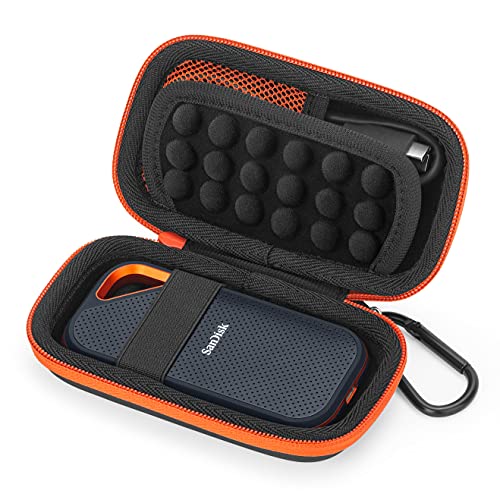
Yinke Hard Case for SanDisk Extreme Pro/SanDisk Extreme Portable External SSD 500GB 1TB 2TB, Travel Case Protective Cover Storage Bag
Compatible with: Our Case fits SanDisk Extreme Pro / SanDisk extreme portable external SSD perfectly, can storage 2...
As an affiliate, we earn on qualifying purchases.
Conclusion
Understanding how search engines treat auto-generated content is vital for your website’s success. Did you know that up to 20% of web pages may contain auto-generated content? This highlights the importance of creating valuable, original material to stand out and avoid penalties. By focusing on quality and relevance, you can improve your rankings and build trust with your audience. Stay informed and adapt your strategies to guarantee your content remains both engaging and compliant.

Hard Drive Case, Shockproof EVA Hard Drive Carrying Case for External SSD/HDD, USB Drive & Passport, Portable Travel Tech Organizer with SD Card Slots and Cable Mesh Compartment
Compact & Versatile External Hard Drive Case: External Dimensions: 5.90 x 3.94 x1.96 inches, inner dimensions: 4.9 x...
As an affiliate, we earn on qualifying purchases.

RAIALL Hard Case for LaCie Rugged SSD Pro5 4TB / 2TB Solid State Drive/SanDisk Extreme Portable SSD/Samsung T7 Shield SSD Travel Storage Holder, Extra Mesh Pocket for USB-C Cable Accessories, Black
Solid State Drive Case: RAIALL carrying case combines appearance design with LaCie Rugged SSD Pro5 for breakthrough vision...
As an affiliate, we earn on qualifying purchases.