

Great systems thrive on simplicity because using fewer, well-chosen tools reduces complexity, makes integration smoother, and lowers the risk of errors. When you limit your tools, you spend less time troubleshooting and more time focusing on your core goals. It also makes managing and scaling your system easier as needs evolve. If you want to build a more reliable and adaptable system, mastering the art of tool minimalism will serve you well.
Key Takeaways
- Over-tooling increases system complexity, making troubleshooting and integration more difficult.
- Simplified tools enhance reliability and reduce points of failure.
- Fewer tools streamline workflows and improve communication across systems.
- Managing fewer tools facilitates scalability and quicker adaptation to change.
- Focusing on essential tools allows for better system stability and long-term growth.

Many people believe that building a great system requires a complex arsenal of tools, but in reality, simplicity often leads to better results. When you try to layer multiple tools to cover every possible need, you risk increasing tool complexity, which can hinder your system’s overall effectiveness. Instead, focusing on a few well-chosen tools can streamline your workflow and improve system integration.
Too many tools can create friction, making it harder for different parts of your system to work together seamlessly. When tools are overly complex, they often require extensive configurations, customizations, and maintenance. This added complexity can lead to integration issues, where one tool doesn’t communicate properly with another, causing bottlenecks and errors. You might find yourself spending more time troubleshooting these issues than actually making progress. A simpler toolset reduces these risks and allows you to build a more cohesive and reliable system.
Too many tools create friction and errors, hindering seamless integration and progress.
Effective system integration is essential for creating a smooth user experience. When you keep your tools straightforward, it’s easier to connect them in ways that support your goals. You don’t need a thousand integrations to achieve this—just a few core tools that interface cleanly and reliably. This approach means fewer points of failure, faster data flow, and less time spent on manual workarounds. Simplifying your toolset doesn’t mean sacrificing functionality; it means prioritizing the tools that truly add value and ensuring they work well together.
Moreover, a minimal toolset fosters better adaptability. As your needs evolve, you won’t be bogged down by the complexity of managing dozens of different systems. Instead, you can focus on enhancing core capabilities and making incremental improvements. When your system relies on fewer tools, you also reduce the learning curve for anyone involved, making onboarding easier and reducing errors caused by unfamiliarity. This simplicity supports agility, allowing you to pivot quickly and integrate new solutions with less hassle.
In the end, building a great system isn’t about accumulating tools—it’s about choosing the right ones and ensuring they work together efficiently. By reducing tool complexity and emphasizing system integration, you create a more resilient, manageable, and scalable system. The fewer tools you use, the clearer your focus becomes, and the more you can dedicate your energy to refining your core processes rather than constantly juggling an unwieldy toolkit.
![[Project Management Institute] A Guide to The Project Management Body of Knowledge (PMBOK Guide)–Fifth Edition - Paperback](https://m.media-amazon.com/images/I/41T0YdWvdPL._SL500_.jpg)
[Project Management Institute] A Guide to The Project Management Body of Knowledge (PMBOK Guide)–Fifth Edition – Paperback
As an affiliate, we earn on qualifying purchases.
As an affiliate, we earn on qualifying purchases.
Frequently Asked Questions
How Do I Determine Which Tools Are Essential?
To determine which tools are essential, start with tool selection based on your core needs. Focus on feature prioritization—choose tools that offer the most value without unnecessary extras. Ask yourself which features directly improve your workflow or outcomes. Eliminate tools that overlap or don’t align with your goals. By streamlining your options, you create a more effective system that’s easier to manage and less cluttered.
Can Fewer Tools Improve Overall System Performance?
Yes, fewer tools can improve your system’s performance by reducing complexity and streamlining workflows. When you focus on tool integration, tasks become smoother, and data flows more efficiently. Additionally, investing in user training guarantees you maximize each tool’s potential, minimizing errors and delays. With fewer, well-integrated tools and proper training, your system becomes more reliable, easier to maintain, and ultimately more effective.
What Are Common Pitfalls of Using Too Many Tools?
Using too many tools can lead to tool fatigue, making you overwhelmed and less productive. It also causes tool redundancy, where multiple tools do the same job, complicating workflows. This can reduce efficiency and increase errors. To avoid these pitfalls, focus on streamlining your system with fewer, well-integrated tools. Simplifying your toolkit helps you work more smoothly, stay focused, and boost overall performance.
How Do I Simplify Existing Complex Systems?
To simplify your complex systems, start by evaluating your current tools and identifying overlaps. Focus on tool integration to streamline workflows, reducing the number of platforms needed. Invest in user training so your team can efficiently navigate the simplified system, minimizing confusion. Regularly review and refine processes to eliminate unnecessary steps. This approach ensures your system remains lean, effective, and easier to manage without overwhelming your team or resources.
Are There Industry Examples of Minimal-Tool Systems?
Yes, many industries showcase minimal-tool systems through smart tool integration, reducing redundancies. For example, tech companies often use integrated project management and communication platforms like Slack with built-in file sharing, eliminating the need for multiple tools. This streamlining minimizes tool redundancy, accelerates workflows, and improves efficiency. These examples demonstrate that focusing on integration and reducing unnecessary tools can simplify complex systems and enhance overall productivity.
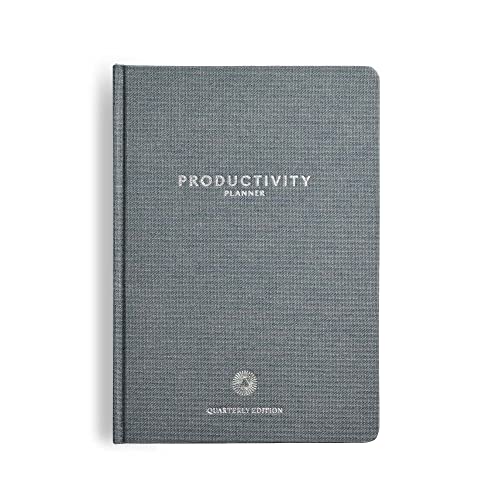
Intelligent Change 3-Month Productivity Planner Tools for Time-Management and Mindfulness, Tear-Out To-Do List, A5 Undated Quarterly Planner, Gray
- Procrastination Busting Tools: Stay organized with daily and monthly sheets
- Accessible To-Do Lists: Categorized planning for focus and habits
- Supports Mindfulness: Includes quotes, space for notes and tracking
As an affiliate, we earn on qualifying purchases.
As an affiliate, we earn on qualifying purchases.
Conclusion
So, next time you’re tempted to pile on tools, remember: greatness often comes from simplicity. The real secret isn’t in how many tools you use, but in how well you understand and integrate the few that truly matter. There’s a hidden power in trimming down—an edge that could change everything. Are you ready to discover what’s possible when you focus on fewer, better tools? The answer might just surprise you.

Data Engineering Essentials: Building Reliable Pipelines and Platforms
As an affiliate, we earn on qualifying purchases.
As an affiliate, we earn on qualifying purchases.

Claude Cowork: The Complete Beginner's Step-by-Step Guide: Install it, connect it, and build a personal operating system that recovers hours every … workflow by workflow (AI Made Simple)
As an affiliate, we earn on qualifying purchases.
As an affiliate, we earn on qualifying purchases.