AI-driven content personalization can make your blog more engaging by delivering relevant articles, videos, and products tailored to your visitors’ preferences. It boosts user satisfaction, encourages longer visits, and turns casual readers into loyal followers. However, it is crucial to prioritize data security and transparent privacy practices. By responsibly harnessing AI, you create a trust-building environment that keeps visitors coming back. To discover how to implement this effectively, keep exploring the key strategies involved.
Key Takeaways
- Leverage AI to analyze user data and deliver personalized articles, videos, and product recommendations on your blog.
- Prioritize data security through encryption and strict access controls to protect user privacy.
- Be transparent with visitors about data collection, usage, and privacy policies to build trust.
- Use AI responsibly to enhance user engagement without compromising privacy or data integrity.
- Foster a privacy-conscious environment that encourages visitors to share preferences, improving personalization effectiveness.

Have you ever wondered how websites seem to know exactly what you’re interested in? It’s almost like they read your mind, serving up content tailored just for you. That’s the power of AI-driven content personalization, transforming how you experience a blog. When implemented effectively, it boosts user engagement by presenting relevant articles, videos, or products that match your preferences.
The more personalized the content, the longer you stay on the site, explore more pages, and interact with what’s offered. You’re more likely to find what you’re looking for quickly, which makes your experience smoother and more enjoyable.
But as a blogger or website owner, you need to be mindful of data security. Personalization relies heavily on collecting and analyzing user data—your browsing habits, preferences, and even location. This process can raise concerns about privacy, and if not handled carefully, it could lead to data breaches or misuse of sensitive information.
Ensuring data security isn’t just a legal obligation; it’s essential for building trust with your audience. When they know their information is protected, they’re more willing to engage deeply with your content, knowing their privacy is respected. Implementing robust security measures—like encryption, secure servers, and strict access controls—helps safeguard user data and maintain your credibility.
You also want to strike a balance between personalization and privacy. AI tools can analyze vast amounts of data to deliver highly targeted content, but you should always be transparent about how you collect and use this information. Clear privacy policies, opt-in options, and giving users control over their data foster trust and make them more comfortable sharing their preferences.
Remember, user engagement grows when visitors feel safe and valued, not surveilled or exploited. Leveraging AI for content personalization is a strategic move that can set your blog apart. It makes your site more dynamic, relevant, and engaging, turning casual visitors into loyal followers.
Additionally, understanding the importance of contrast ratio and how it affects image quality can help you optimize visual content for your audience. But it’s a two-way street: you need to prioritize data security and privacy as much as you focus on delivering personalized content. When you do, you create a space where your audience feels respected and understood, encouraging ongoing interaction.
Ultimately, successfully implementing AI-driven personalization isn’t just about serving up the right content; it’s about building a trusted relationship with your visitors, ensuring they return because they feel safe and valued every time they visit.

KODAK Step Instant Smartphone Photo Printer, Portable Mini Color Wireless Mobile Printer, Zink 2x3” (5.1x7.5 cm) Sticky-Back Photos, Bluetooth Compatible with iOS & Android Devices, Editing App, Black
STEP UP YOUR PRINTING GAME | No more making plans to print tomorrow. | Kodak step printer connects...
As an affiliate, we earn on qualifying purchases.
Frequently Asked Questions
How Does AI Personalize Content in Real-Time?
AI personalizes content in real-time by using machine learning to analyze your visitors’ behavior and preferences instantly. It builds user profiles based on actions like clicks, time spent, and browsing history.
This way, it tailors your blog content to match each visitor’s interests dynamically, providing a more engaging experience. You see relevant articles and suggestions, making your blog more appealing and keeping visitors engaged longer.
What Are the Privacy Concerns With AI Personalization?
Think of AI personalization as a double-edged sword—while it tailors experiences like a skilled tailor, it can also cut into your privacy.
You might worry about data security breaches or your personal details becoming exposed. User profiling, if mishandled, risks turning your private info into a public display.
To protect yourself, make certain your platform prioritizes robust data security measures and transparent user profiling policies.
Can AI Adapt to Changing User Preferences Quickly?
Yes, AI can adapt to changing user preferences quickly by analyzing real-time data and user feedback.
You should regularly collect feedback to make sure the AI stays aligned with evolving tastes.
Keep ethical considerations in mind, ensuring transparency and respecting privacy.
This way, your content remains relevant, engaging, and trustworthy, fostering stronger connections with your audience while maintaining responsible AI use.
What Tools Are Best for Implementing Ai-Driven Personalization?
Think of AI tools as your personal tailor, fitting content perfectly to each visitor. To implement AI-driven personalization effectively, use tools like Dynamic Yield, Optimizely, or Segment.
They excel in content segmentation and user profiling, helping you craft tailored experiences. These platforms analyze user data in real time, ensuring your blog serves up relevant content that keeps visitors engaged and coming back for more.
How Do Personalization Algorithms Handle Diverse Audience Segments?
Personalization algorithms handle diverse audience segments by using audience segmentation to categorize visitors based on their behaviors, interests, and demographics. They analyze this data to deliver tailored content recommendations that resonate with each segment.
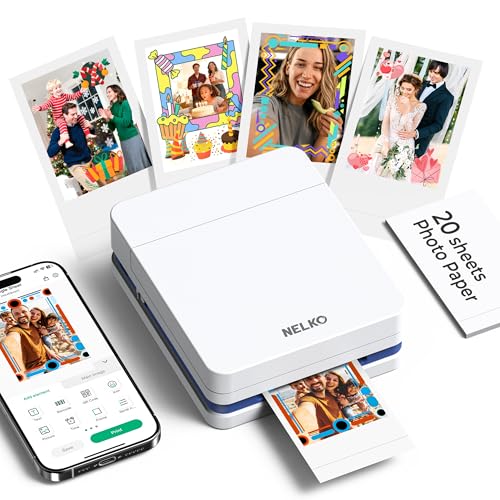
Nelko Photo Printer, PP01 Color Mini Portable Printer, Instant Smartphone Inkjet Printer, Sticky-Back Rechargeable Portable Picture Printer for iOS & Android, for Christmas Family, White
2x3" Portable Photo Printer: The upgraded PP01 photo printer uses advanced inkjet technology. This portable photo printer produces...
As an affiliate, we earn on qualifying purchases.
Conclusion
Embrace AI-driven content personalization as the key that opens a door to deeper connections. Just as a compass guides explorers through uncharted waters, this technology steers your blog toward understanding your audience’s true desires. When you harness its power, your content becomes a lighthouse—illuminating the path for your readers to find value and meaning. In this dance of data and human touch, you craft a journey that feels uniquely theirs, yet truly yours.
![HP Sprocket Portable Photo Printer (2nd Edition) – Instantly print 2x3" sticky-backed photos from your phone – [Luna Pearl] [1AS85A]](https://m.media-amazon.com/images/I/41lxUG96wfL._SL500_.jpg)
HP Sprocket Portable Photo Printer (2nd Edition) – Instantly print 2x3" sticky-backed photos from your phone – [Luna Pearl] [1AS85A]
Instant photos on the go – Easily print your favorite adventures on 2x3" sticky-backed photo paper with this...
As an affiliate, we earn on qualifying purchases.

HP Sprocket Photo Booth Machine Instant Color Photo Printer - 10.1" Touchscreen Photobooth, LED Ring Light - Customize w/ 250+ Frames, Prints on 3x4 Zink Paper or Share via QR Code, Mobile App - White
PICTURE-PERFECT PRINTS Built-in flash and LED ring light make it easy to get that picture-perfect shot, every time....
As an affiliate, we earn on qualifying purchases.