📊 Full opportunity report: A Practical Guide To Supplier Overcharge Audits For Restaurants on IdeaNavigator AI — validation score, market gap, and execution plan.

Get business pricing on tech for your team
- Business-only prices and quantity discounts
- Tax-exempt purchasing
- Multiple users, one account, clear invoices
TL;DR
An IdeaNavigator AI proposal recommends testing a supplier overcharge audit workflow with three independent multi-unit restaurant groups over 90 days. The proposed tool would compare invoices with contracts, order guides and delivery records, but the material provides no evidence that the product has been built or that the test has taken place.
IdeaNavigator AI has proposed a 90-day test of an invoice-audit workflow for independent, multi-unit restaurant groups, aimed at identifying supplier charges that exceed agreed prices or do not match orders and deliveries. The proposal describes a product concept and validation plan; it does not report that a tool has launched, that restaurant groups have tested it, or that credits have been recovered.
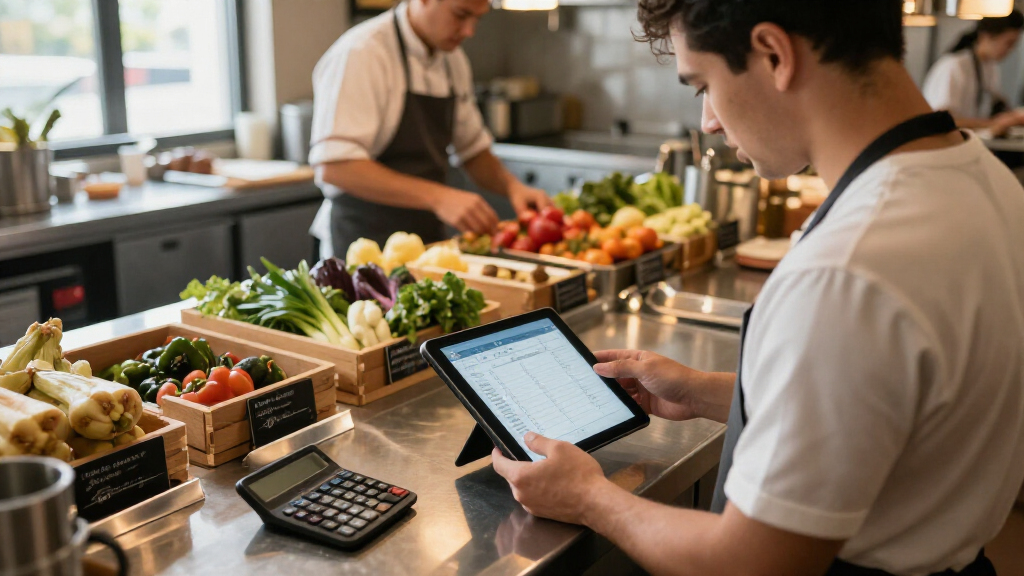
According to IdeaNavigator AI’s proposal, the system is aimed at a purchasing director or controller responsible for buying from broadline and specialty food and beverage suppliers. It would collect invoices from electronic data interchange (EDI) where available, or from PDFs and photographed documents using optical character recognition. Users would also load supplier contracts or quote sheets and the restaurant group’s order guide.
The proposal says the software would compare each invoice line with the agreed price, order and recorded delivery. Potential flags include a price above contract, a full-case charge for a short shipment, a substitution billed at a higher price, and a line price that rises between orders. The system would then draft supplier credit requests and track them to a later invoice, where a credit might appear.
For validation, IdeaNavigator AI proposes a 90-day lookback across paid invoices from three restaurant groups, alongside their contracts or quote sheets. The groups would total charges above agreed prices, short-shipped cases billed in full and price increases. The suggested decision rule is to proceed only if documented credits per location clearly exceed the planned subscription fee. The proposal provides no fee, recovery total or test result.
Auditing Supplier Charges Before They Hit Margins
IdeaNavigator AI proposes an invoice-audit workflow and a three-group test. The material does not show a launched product, completed trial, or recovered credits.
What the audit would check
The proposed workflow compares bills with agreed prices, orders, and recorded deliveries.
Above contract
Flag invoice lines priced above an agreed contract or quote.
Short shipment billed in full
Check whether a full-case charge matches what arrived.
Substitutions and increases
Review higher-priced substitutions and line prices that rise between orders.
Proposed review process
The plan looks back at paid invoices and checks each discrepancy before measuring credits.
Use invoices from EDI, PDFs, or photographed documents, alongside contracts and order guides.
Match charges to agreed prices, orders, and delivery records across the proposed lookback.
Compare supplier-issued credits per location with the planned subscription fee.
Forecasts are context, not audit evidence
The proposal cites USDA forecasts for 2026 food-price increases; they do not establish supplier billing errors or potential recoveries.
What remains unproven
The material leaves product readiness, costs, and test outcomes unresolved.
- No product launch or completed pilot is reported.
- No participating groups, audited sample, confirmed overcharges, or supplier-issued credits are identified.
- No subscription price, recovery total, or numeric success threshold is provided.
- Handling of delivery records, substitutions, price changes, and disputed claims is unspecified.
When Supplier Charges Hit Margins
IdeaNavigator AI says its proposed workflow would check for discrepancies across hundreds of invoices a week. The examples in the proposal include an agreed price not being applied, a short delivery billed in full, or a line price rising without notice. The proposal links these cases to food costs but reports no measured losses or recoveries at any restaurant.
As cost-pressure context, IdeaNavigator AI cites a USDA Economic Research Service outlook dated September 25, 2026. The outlook forecasts 2026 retail beef and veal prices to rise 9.4%, wholesale beef prices to rise 8.5%, and food-away-from-home prices to rise 3.5%. These are forecasts, not measurements of restaurant supplier overcharges. They do not establish that supplier billing errors are increasing or quantify potential recoveries.
The proposal suggests a subscription priced per location, with an optional fee tied to recovered credits, and says the planned comparison would assess whether documented credits per location exceed the fee. It provides no pricing or recovery performance; the business case has not been demonstrated in the material.
Products Worth Considering

LG UltraGear 32GX850A-B 32-inch 4K UHD Glossy OLED Gaming Monitor

DJI Osmo Mobile 8 3-Axis Phone Gimbal Stabilizer

Samsung Galaxy Tab A11 Wi‑Fi (International Version), 8.7, 64GB + 4GB, Gray
As an affiliate, we earn on qualifying purchases.
How the Proposed Audit Works
IdeaNavigator AI frames the task as a narrow first workflow for one buyer inside an independent restaurant group, rather than a general procurement platform. Its proposal says invoice checking would require matching supplier bills with contracts or quoted prices, order guides and evidence of what arrived. It names EDI, PDFs and photographed invoices as possible inputs, but does not describe integrations or document-processing accuracy.
The proposed review looks backward at 90 days of already-paid invoices for three groups. This is a proposed validation method, not a report that the groups have agreed to participate or that a review has begun. IdeaNavigator AI says the comparison would put a dollar value on discrepancies and assess whether credits per location exceed a planned fee. The proposal sets no numeric pass threshold, explains no method for gathering delivery records and specifies no process for verifying disputed items.
As its timing rationale, IdeaNavigator AI cites the USDA’s 2026 food-price forecast. The forecast provides context on potential food-cost pressures; it does not establish that supplier billing errors are increasing or quantify potential audit recoveries.
Test Results And Costs Remain Unknown
IdeaNavigator AI reports no completed pilot or product launch. Its proposal identifies no participating restaurant groups, supplier examples, audited invoice sample, confirmed overcharge totals, recovery rate or evidence that a supplier has issued a credit. It also does not name a product or provide a subscription price, contingency-fee percentage or implementation cost.
The proposal leaves operational details unresolved, including whether restaurants can supply reliable receiving records; how the tool would handle unit conversions, changing contract terms, taxes, rebates or legitimate substitutions; and how it would distinguish an error from an agreed price change. It does not explain how credit requests would be reviewed before submission, how suppliers might dispute them, or how long resolution might take. The USDA figures cited in the proposal are forecasts for 2026, not audit results or evidence that supplier discrepancies are more common.
A Three-Group Lookback Is Proposed
IdeaNavigator AI describes a proposed 90-day invoice review with three restaurant groups. The plan is to compare paid charges with contracts or quote sheets and document short shipments and price increases. Any flagged item would need to be substantiated, and supplier-issued credits would need to be tracked separately from potential discrepancies.
The proposal says operators would compare documented credits per location with the planned subscription fee. It gives no start date, participating groups or follow-up milestone, so whether the test will proceed—and whether the workflow will become a product—remains unknown.
Source: IdeaNavigator AI
Key Questions
Has a restaurant supplier-audit product launched?
The material describes a proposed workflow, not a launched product. It provides no launch date or evidence of a completed pilot.
What charges would the proposed audit flag?
It would look for prices above contract, short shipments billed as full cases, higher charges for substitutions and price increases between orders.
How would the proposed 90-day test work?
The plan calls for reviewing paid invoices and contracts or quote sheets from three restaurant groups, then calculating documented discrepancies and credits per location.
What would count as a successful test?
The proposal says to proceed if documented credits per location clearly exceed the planned subscription fee. It does not specify a price, a numeric threshold or any results.
Source: IdeaNavigator AI