
🔍 Read the full analysis: Are AI-Powered Home Automation Devices Right For You? on ThorstenMeyerAI.com

Get business pricing on tech for your team
- Business-only prices and quantity discounts
- Tax-exempt purchasing
- Multiple users, one account, clear invoices
TL;DR
A beginner guide from ThorstenMeyerAI.com outlines how to set up a small AI-enabled smart home, including a speaker, lights, thermostat or plug. It recommends checking platform and network compatibility, account security, privacy settings and safety risks before adding devices; it does not provide independent testing evidence that one platform is best for every household.
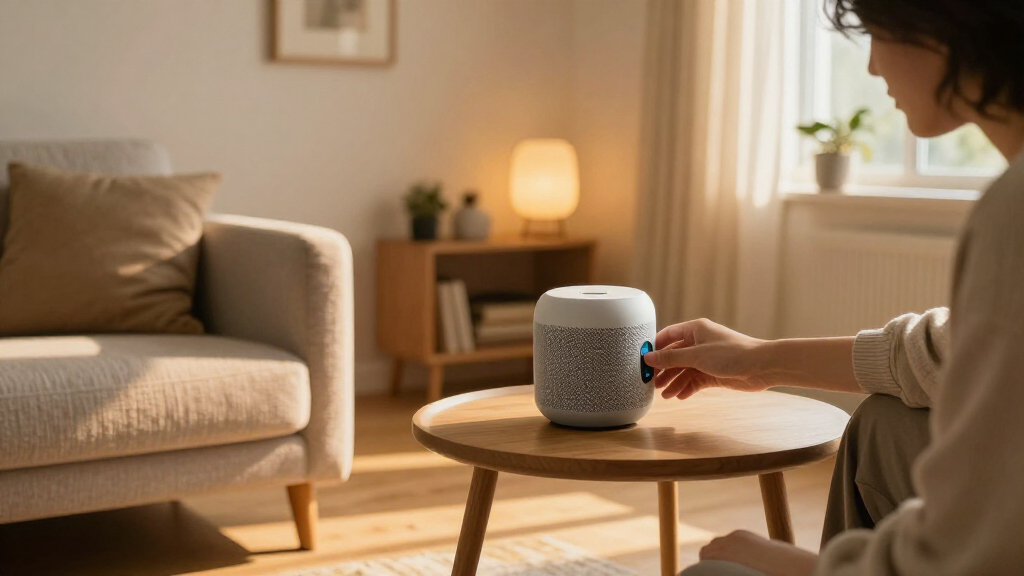
ThorstenMeyerAI.com has published a beginner guide to setting up AI-powered home automation, advising readers to begin with a low-risk device and check compatibility, network requirements and privacy settings before connecting it. The guide covers a small system using a phone and home Wi-Fi, such as a smart speaker, light, thermostat or plug, and estimates setup will take 45 to 90 minutes, depending on the devices and required updates.
The guide recommends choosing one simple task first, such as switching on a lamp by voice or setting a thermostat schedule. Before buying, users should check whether the exact device model works with their preferred smart home platform, requires a hub or a particular Wi-Fi band, and needs a subscription. Some devices require a 2.4 GHz Wi-Fi network, the source says. Voice control does not necessarily mean a device supports every routine or AI feature available in a platform; a roundup of AI-powered smart home devices offers more examples to compare.
Its setup instructions cover installing the manufacturer’s official app, updating the app and device firmware, pairing the device with Wi-Fi or a hub, and giving it a distinct name and room assignment. The guide also recommends using a unique account password and enabling multifactor authentication when available. It advises checking router security settings and installing updates through the router’s official controls. For households considering a central controller, a guide to AI home automation hubs can help with comparisons.
For privacy, the guide tells users to review settings for voice recordings, activity history, data sharing and cloud processing, and to disable features they do not need. It says some devices process commands locally while others send voice, sensor or usage data to a cloud service. For cameras and microphones, it recommends checking when recording or listening is active and learning how to pause those functions, including whether the device has a physical switch.
The Trade-Offs Behind Smart Home Convenience
Home automation can make routine tasks easier, but a connected device also brings setup requirements and decisions about account access, data collection and network security. The guide’s practical value is in urging prospective buyers to check those issues before purchasing or enabling features, rather than assuming that devices with similar marketing descriptions work the same way.
Starting with a lamp or another low-risk device also gives households a chance to test whether voice commands, schedules and app controls work reliably in their home. The source advises against beginning with locks, alarms, heaters or other equipment that can affect safety or access. That is a setup precaution, not a claim that all such products are unsafe; it reflects the higher consequences of a mistaken command or failed connection.
The recommendations may help readers avoid incompatible purchases and reduce unnecessary account permissions. However, the supplied material does not present comparative testing, measured reliability results or independent evidence that an AI feature will save time or energy. Whether a system is worthwhile depends on a household’s needs, budget, network and comfort with the device’s data practices.
Products Worth Considering

DJI Mic 2 Wireless Microphone System with 2 Transmitters, 1 Receiver, and Charging Case

LG UltraGear 34-Inch Curved QHD Gaming Monitor, 160Hz, FreeSync Premium

DJI Mic 3 Wireless Microphone (2 Transmitters, 1 Receiver, Charging Case)
As an affiliate, we earn on qualifying purchases.
A Small System, One Device at a Time
The source frames its instructions for beginners setting up a modest system, rather than for a full home installation. It lists a smartphone or tablet, the official device app, compatible devices and power supplies, home Wi-Fi credentials, and access to the relevant platform account as basic requirements. Users may also need a hub or help from whoever manages their router.
The article includes brief product verdicts for Hubitat, SwitchBot and Green. It describes Hubitat as a choice for local, multi-protocol automation and AI-assisted routine building, SwitchBot for camera-aware chat-based control, and Green as a local automation base. These are the source’s recommendations, not independently substantiated rankings in the supplied material. The source also discloses that it earns commissions from qualifying Amazon purchases, a commercial relationship readers may want to account for when evaluating its recommendations.
““Choose a low-risk first device, such as a lamp, and set it up before connecting locks, alarms, heaters, or other equipment that can affect safety or access.””
— ThorstenMeyerAI.com, in its setup guide
Compatibility and Data Practices Vary
The guide does not identify a publication date, test sample, or detailed methodology for its product recommendations. It is not clear from the supplied material how the named platforms compare on reliability, cost, accessibility, supported devices or long-term software support. Readers should treat the verdicts as publisher recommendations, not as findings established by the source excerpts alone.
Requirements also vary by model, platform and region. The source advises checking product packaging or the manufacturer’s product page for Wi-Fi band, hub and regional compatibility, but does not list the specifications of particular devices. The exact data collected, where it is processed and how long it is retained likewise depend on the product and its settings. Those details should be checked in the manufacturer’s current documentation and account controls.
The guide’s setup excerpt ends during its privacy-check instructions, so it does not establish whether every later setup step or troubleshooting case is covered. It also does not report whether a given AI feature works without an internet connection or what happens when a cloud service is unavailable.
Check the Model Before Connecting
Anyone considering a device can use the guide’s sequence as a starting point: define one task, confirm the exact model’s platform and network requirements, and review subscription terms before buying. During setup, use the manufacturer’s official app, install required updates, and confirm the device appears online before creating routines.
After pairing, users should review permissions and privacy controls, test a simple command or schedule, and confirm that the device responds as expected. For equipment affecting safety or home access, follow the manufacturer’s installation instructions and seek qualified help where required; the source cautions users not to modify wiring unless qualified. The next practical step is model-specific verification, since the guide does not establish that every device or AI feature follows the same setup and data policies.
Key Questions
How long does a beginner setup take?
ThorstenMeyerAI.com estimates 45 to 90 minutes, depending on how many devices are added and whether apps need updates. The estimate is from the guide, not an independently timed test.
Do AI home devices need a hub?
Some may. The guide says hub requirements vary by device and platform, and advises checking the exact model’s packaging or product page before purchase. Some devices may also require a particular Wi-Fi band.
How can I reduce privacy risks?
Review settings for voice recordings, activity history, data sharing and cloud processing. Disable features you do not need, check when cameras or microphones are active, and learn how to pause them. The details vary by device and service.
Which device should I set up first?
The source recommends starting with a low-risk device such as a lamp and testing basic controls before adding equipment that could affect safety or access, such as locks, alarms or heaters.
Source: ThorstenMeyerAI.com